
About
Three aerospace engineers, one mission.
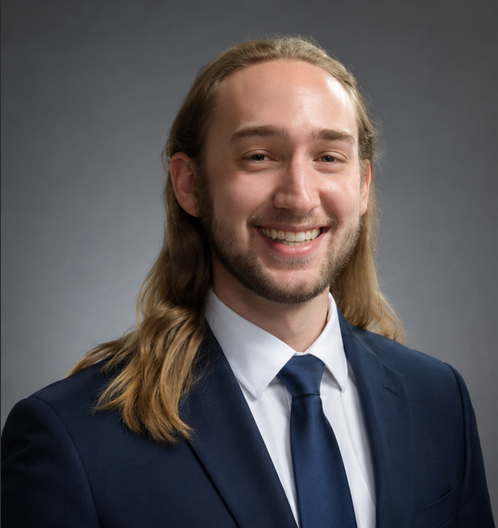
Arthur "Tiger" Koster, Ph.D.
Tiger is an expert in the design and instrumentation of human head surrogate models used to sense traumatic brain injury, matching the dynamic responses of real human heads for blast and impact experiments and assessing injury risk. His ONR-supported doctoral research specialized in experimental modal analysis; he is an expert in gas dynamics and shock-tube blast experimentation, was Co-PI of the DARPA Phase I STTR, and spent a summer at the Naval Research Laboratory studying low-level blast exposure.
tigerkoster@cortexdynamix.com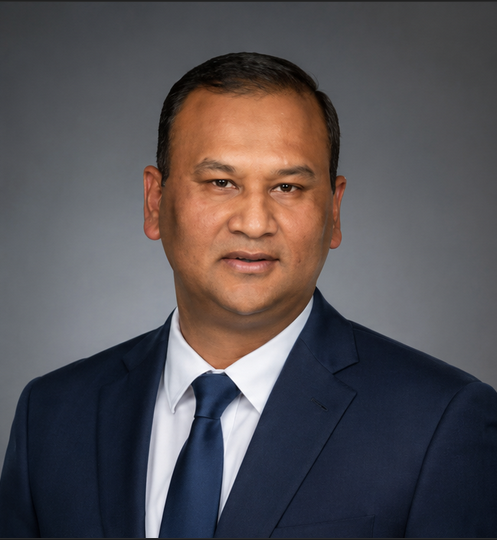
Ashfaq Adnan, Ph.D.
Distinguished University Professor at UT Arlington and Director of the Multiscale Mechanics and Physics Lab. Ashfaq's research covers motion-induced TBI risk assessment, cellular-level brain injury mechanisms, smart sensing of brain trauma, and additive manufacturing of protective materials, funded by multiple ONR and DURIP grants. He is a member of the national PANTHER TBI research hub and recipient of the Department of the Navy's inaugural 2021 Distinguished Fellow Program Award.
aadnan@cortexdynamix.com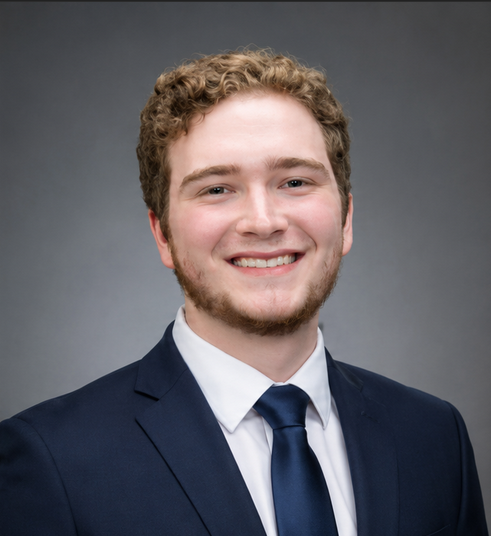
Aaron Jackson, Ph.D.
Aaron is an expert in explicit finite element modeling, multi-objective optimization with machine learning, impact and shock experimentation, and additive manufacturing. His ONR-supported research focuses on 3D-printed cellular structures that reduce acceleration from impacts and blasts causing brain injury. He interned at the Naval Research Laboratory modeling brain injury from electromagnetic and blast loading, and taught mechanical vibrations as an adjunct professor at UTA.
aaronjackson@cortexdynamix.comCompany
Founded in 2024 and headquartered in Grapevine, Texas, Cortex Dynamix develops advanced architected materials and structural systems for vibration mitigation and controlled energy transmission. Our work originated in traumatic brain injury prevention and protective helmet design, supporting safety for military personnel, first responders, and athletes in high-risk and extreme environments.
Research roots
Founded by Drs. Aaron Jackson, Arthur Koster, and Ashfaq Adnan, on over a decade of traumatic brain injury research. Their shared expertise in TBI prevention, detection, and sensing now drives original ideas advanced beyond academia.
Defense first
A completed DARPA Phase I STTR proved our bio-inspired building block at TRL 3; a $1.25M DARPA Phase II STTR is now maturing it into a field-tested helmet prototype.
Industry next
We are commercializing the same architected materials for private industry: recreational helmets, vibration dampeners, shock absorbers, and tuned damping systems.